
Auger Post Hole Digger Manual: A Comprehensive Guide
This manual details operation, maintenance, and troubleshooting for your auger post hole digger, referencing resources like Briggs and Seah’s Practical Surface Analysis.
Understanding the reciprocal metric tensor, channeling-enhanced microanalysis, and TOF-MS aids in advanced diagnostics, alongside GC column specifications for related analyses.
Understanding Auger Post Hole Diggers
Auger post hole diggers are powerful tools designed to efficiently excavate holes for fence posts, signposts, and various other structural applications. These machines utilize a rotating helical screw, or auger bit, to bore into the ground, removing soil as it descends. Their effectiveness stems from a combination of rotational force and downward pressure, allowing them to penetrate diverse soil conditions, though challenges arise with rocks and obstructions.
Modern augers, often sourced from retailers like Harbor Freight, offer a range of capabilities for DIY projects and professional landscaping. Understanding their mechanics, referencing texts like Practical Surface Analysis for related analytical techniques (though indirectly applicable), and adhering to safety protocols are crucial for optimal performance and longevity. The core function relies on the auger’s ability to channel soil upwards and away from the excavation site, a process that can be influenced by soil type and auger bit selection.

Types of Auger Post Hole Diggers
Auger post hole diggers broadly fall into two main categories: gas-powered and manual. Gas-powered augers, the more prevalent type, offer significant power and speed, suitable for larger projects and tougher soil conditions. These often feature various engine specifications and require specific fuel types for optimal operation.
Manual augers, while requiring more physical effort, are ideal for smaller jobs or areas where gas-powered equipment is impractical. Beyond these primary distinctions, augers can also be categorized by their drive system – direct drive or gear drive – impacting torque and digging speed. Understanding the principles behind techniques like channeling-enhanced microanalysis (though unrelated to operation) highlights the importance of precision, mirroring the need for selecting the right auger type for the task. Considerations include soil composition, hole depth, and the number of holes to be dug.
One-Person vs. Two-Person Augers

The choice between a one-person and two-person auger hinges on project scale and operator strength. One-person augers are generally lighter and more maneuverable, suitable for smaller-diameter holes and less demanding terrain. However, they require the operator to manage both digging and machine control, potentially leading to fatigue.
Two-person augers distribute the workload, with one operator controlling the machine and another guiding the auger. This setup excels in larger diameter holes, rocky soil, or prolonged use. While offering increased efficiency, they demand coordinated teamwork. Similar to the precision required in techniques like Time-of-Flight Mass Spectrometry (TOF-MS), successful operation relies on careful coordination. Selecting the appropriate auger type, considering factors like hole depth and soil type, is crucial for safety and efficiency.
Key Components of an Auger Post Hole Digger
An auger post hole digger comprises several essential components working in unison. The engine, providing the power, demands regular maintenance like oil changes, mirroring the precision needed in Gas Chromatography (GC) column specifications. The auger itself, with its rotating bit, penetrates the soil, while the transmission transfers engine power to the auger.
Supporting structures include the frame, providing stability, and handles for operator control. Safety features, like kill switches, are paramount. Understanding these components, akin to grasping the principles of reciprocal metric tensor analysis, is vital for effective operation and maintenance. Proper lubrication, particularly of the chain, is crucial, preventing breakage and ensuring smooth functionality. Regular inspection of each component guarantees longevity and safe, efficient digging;
Auger Bits: Types and Selection
Auger bits are crucial for efficient digging, varying in design to suit different soil conditions. Straight-flight augers excel in loose soil, while helical augers are better for dense clay or rocky terrain. The diameter dictates the post hole size, requiring careful consideration of post dimensions.
Bit material impacts durability; hardened steel resists wear, while specialized coatings enhance performance. Selecting the correct bit, much like choosing appropriate parameters for Time-of-Flight Mass Spectrometry (TOF-MS), is vital for optimal results. Consider soil composition, post size, and anticipated obstructions. Regularly inspect bits for damage, sharpening or replacing them as needed. Proper bit selection minimizes digging time and maximizes efficiency, ensuring a clean, stable post hole.

Engine Specifications and Fuel Requirements

Your auger’s engine typically runs on gasoline, demanding adherence to specific fuel octane ratings – usually 87 octane or higher. Refer to the engine’s serial number for precise specifications, similar to identifying phases in reciprocal metric tensor analysis. Engine displacement commonly ranges from 50cc to 79cc, influencing power output.
Oil type is critical; a 2-cycle engine requires a gasoline-oil mixture, while 4-cycle engines utilize separate oil reservoirs. Always consult the manual for the correct oil-to-fuel ratio. Using incorrect fuel or oil can lead to engine damage, mirroring issues encountered in Gas Chromatography (GC) with improper column specifications. Maintain fuel system cleanliness and use a fuel stabilizer during storage to prevent degradation. Proper engine care ensures reliable performance and longevity.
Safety Precautions Before Operation
Prior to starting your auger post hole digger, thoroughly inspect the work area, removing rocks, debris, and underground utilities. Always call 811 before digging to locate buried lines – a crucial step often overlooked. Ensure a stable footing and maintain a safe distance from bystanders. Never operate the auger near roadways or pedestrian traffic.
Familiarize yourself with all controls and safety features. Understand the emergency stop mechanism and practice using it. Be aware of potential hazards like kickback and flying debris. Avoid loose clothing or jewelry that could become entangled. Remember, safe operation parallels meticulous analysis, like verifying phase parameters to avoid errors in reciprocal metric tensor calculations.
Personal Protective Equipment (PPE)
Essential PPE is non-negotiable when operating an auger post hole digger. Always wear safety glasses or a face shield to protect against flying debris – akin to shielding sensitive instruments during Auger spectroscopy. Sturdy, steel-toed boots are crucial for foot protection, especially on uneven terrain.
Hearing protection, such as earplugs or earmuffs, is vital due to the engine noise. Work gloves provide a better grip and protect your hands from blisters and abrasions. Long pants and a long-sleeved shirt offer protection from brush and potential hazards. Consider a dust mask, particularly in dry or dusty conditions. Proper PPE, like accurate LS parameter views, ensures a safe and reliable operation, preventing issues like chain breakage.
Pre-Operation Checklist
Before each use, a thorough pre-operation checklist is paramount for safe and efficient digging. First, inspect the auger bit for damage – cracks or excessive wear. Verify all bolts and fasteners are tightened securely, similar to checking parameters in reciprocal metric tensor analysis.
Check the fuel level and add fresh fuel if needed, adhering to engine specifications. Ensure the chain is properly lubricated and tensioned. Inspect the engine oil level and top up if necessary. Clear the work area of any obstructions – rocks, roots, or underground utilities. Confirm the safety interlock functions correctly. Finally, review the safe operating procedures, much like understanding GC column specifications before analysis, to prevent accidents and ensure optimal performance.

Safe Operating Procedures
Always maintain a firm grip on the handles during operation, and keep both hands positioned for control. Never operate the auger near bystanders or allow unauthorized personnel in the work area. Be acutely aware of underground utilities – call before you dig! When digging, maintain a stable stance and avoid overreaching.

If encountering resistance, such as a large rock, stop the auger immediately and assess the situation. Do not force the auger, as this could cause damage or kickback. Always disengage the engine and allow the auger bit to come to a complete stop before attempting any maintenance or adjustments, similar to pausing TOF-MS analysis. Follow all safety precautions outlined in this manual and adhere to local regulations. Prioritize safety above all else.
Starting the Auger Post Hole Digger
Before starting, ensure the auger bit is clear of obstructions and the safety lockout is engaged. Check the fuel level and oil level, referencing engine specifications. Prime the engine according to the manufacturer’s instructions – typically involving a few pumps of the primer bulb. Engage the choke, especially in cold weather, and set the throttle to the starting position.
Firmly grasp the starter handle and pull with a smooth, controlled motion. Avoid jerking the cord, as this can damage the starter mechanism. Once the engine sputters, gradually disengage the choke. Allow the engine to warm up for a few minutes before commencing digging, similar to stabilizing a GC column. Monitor engine performance and address any issues immediately.
Digging Techniques for Different Soil Types
For loose soil, apply steady, downward pressure while engaging the auger. A slower, controlled digging pace prevents the bit from spinning excessively without penetrating. In clay-rich soils, increase the engine speed and apply more downward force, anticipating greater resistance. Rocky terrain demands a cautious approach; reduce speed and intermittently lift the auger to clear obstructions, akin to analyzing a complex sample via TOF-MS.
When encountering mixed soil types, alternate between these techniques. Monitor the auger’s performance and adjust accordingly. Avoid forcing the auger, as this can lead to chain breakage or engine strain. Consistent monitoring, similar to checking LS parms in phase analysis, ensures optimal digging efficiency and prolongs equipment life.
Adjusting Digging Depth
To adjust digging depth, utilize the depth gauge or markings on the auger shaft. Begin by setting the desired depth before initiating the digging process. Regularly check the depth as you dig, especially in variable soil conditions. Minor adjustments can be made while the auger is operating, but always prioritize safety and maintain a firm grip.
For precise depth control, consider using a laser level or measuring tape as a reference. Remember that soil settling may occur after digging, so account for this when setting the initial depth. Similar to meticulous XPS spectral analysis, accuracy is paramount. Consistent depth ensures uniform post placement, crucial for structural integrity, mirroring the importance of a stable reciprocal metric tensor.
Dealing with Rocks and Obstructions

Encountering rocks or obstructions is common during post hole digging. If resistance increases significantly, immediately stop the auger. Attempt to rock the auger back and forth to dislodge the obstruction – avoid forcing it, which could damage the equipment or cause injury.
For larger rocks, carefully retract the auger and manually remove the obstacle. Consider altering the hole location slightly to avoid further obstructions. Similar to analyzing complex spectra with techniques like TOF-MS, patience and a methodical approach are key. Remember, channeling-enhanced microanalysis requires careful consideration of material properties; likewise, understanding soil composition aids in navigating obstacles. Always prioritize safety and inspect the auger for damage after encountering a significant obstruction.
Maintenance and Troubleshooting
Regular maintenance is crucial for optimal performance and longevity. This includes adhering to a schedule for oil changes, spark plug replacement, and chain lubrication – referencing engine specifications is vital. Troubleshooting common issues, like an auger failing to dig effectively, often stems from dull blades or improper chain tension.
Engine starting problems may indicate fuel issues or a faulty spark plug. Chain breakage requires immediate repair, ensuring correct tensioning post-replacement. Like spectral analysis using XPS, identifying the root cause requires systematic investigation. Understanding concepts like the reciprocal metric tensor isn’t directly applicable here, but a methodical approach to diagnostics is. Always consult the full manual and prioritize safety during all maintenance and repair procedures.
Regular Maintenance Schedule
To ensure reliable operation, implement a consistent maintenance schedule. After each use, inspect the auger for damage and clean debris. Every 25 hours of operation, check and tighten all bolts and fasteners. Perform an oil change every 50 hours, utilizing the manufacturer’s recommended oil type – referencing engine specifications is key.
Inspect the spark plug every 100 hours and replace as needed. Regularly lubricate the chain, maintaining proper tension. A detailed logbook, similar to those used in analytical labs tracking AAS or GC data, is recommended. While techniques like TOF-MS aren’t relevant to maintenance, meticulous record-keeping is. Adhering to this schedule minimizes downtime and extends the life of your auger, preventing costly repairs and ensuring consistent performance.
Chain Lubrication and Tensioning
Proper chain lubrication is critical for efficient digging and prolonged auger life. Use a high-quality chain lubricant specifically designed for heavy-duty applications. Apply lubricant frequently, especially during extended use or when digging in abrasive soil. Regularly check chain tension; a loose chain can derail, while an overly tight chain increases wear.
Adjust tension according to the manufacturer’s specifications – similar precision to analyzing XPS spectra is needed. Inspect the chain for wear and damage, replacing it when necessary. Maintaining optimal chain condition reduces friction, improves digging performance, and prevents premature component failure. Remember, consistent lubrication and correct tensioning are fundamental to maximizing the auger’s effectiveness, much like precise parameters in GC column specifications.
Engine Maintenance (Oil Changes, Spark Plugs)
Regular engine maintenance is paramount for reliable operation. Follow the manufacturer’s recommended oil change intervals, utilizing the specified oil type and viscosity. Check the oil level before each use and top off as needed. Inspect the spark plug(s) periodically, cleaning or replacing them to ensure optimal ignition. A fouled spark plug can lead to starting difficulties and reduced engine performance.
Proper maintenance extends engine life and minimizes downtime. Consider the precision needed, akin to reciprocal metric tensor analysis, when verifying component specifications. Air filter cleaning is also crucial, preventing debris from entering the engine. Consistent attention to these details, much like careful TOF-MS calibration, will ensure your auger post hole digger remains a dependable tool for years to come.
Troubleshooting Common Issues
Addressing problems promptly prevents further damage. If the auger isn’t digging effectively, check the bit’s sharpness and ensure proper chain lubrication and tension. Engine starting problems often stem from a fouled spark plug, insufficient fuel, or a clogged air filter. Examine these components first.
Chain breakage requires careful inspection for wear and tear. Replace damaged sections immediately. Remember, precision is key – similar to analyzing XPS spectra with attention to Ntv and loss peaks. If issues persist, consult a qualified mechanic. Understanding the underlying mechanics, like Auger kinematics, can aid diagnosis. Proper maintenance, akin to GC column specification adherence, minimizes these occurrences, ensuring reliable performance.
Auger Not Digging Effectively
Several factors can contribute to poor digging performance. First, verify the auger bit is sharp; dull bits simply glide over the soil. Ensure adequate chain lubrication and correct tension – a loose chain reduces cutting efficiency. Examine the soil type; rocky terrain demands slower operation and potentially a different bit selection.
Insufficient engine power can also be a culprit. Check fuel levels and air filter cleanliness. Consider the principles of channeling-enhanced microanalysis; even small obstructions can significantly impede progress. Like analyzing phase errors with the reciprocal metric tensor, pinpointing the root cause is crucial. If the problem persists, inspect the bit’s connection to the auger and confirm proper rotational speed.
Engine Starting Problems
Difficulty starting often stems from fuel issues. Ensure fresh fuel is used, and the fuel line isn’t clogged. A dirty air filter restricts airflow, hindering combustion. Check the spark plug – a fouled or damaged plug won’t ignite the fuel mixture. Verify the spark plug gap is correct, referencing engine specifications.
Low oil levels can trigger safety shut-offs, preventing starting. Examine the choke and throttle settings; improper adjustment impacts the air-fuel ratio. Consider the principles of time-of-flight mass spectrometry – even minor imbalances can disrupt the process. Like troubleshooting phase errors, systematic diagnosis is key; If issues persist, consult a qualified mechanic, potentially utilizing gas chromatography for fuel analysis.
Chain Breakage and Repair
Chain breakage typically results from hitting substantial obstructions like rocks or roots, or from inadequate chain lubrication and tension. Inspect the chain regularly for wear, cracks, or damaged links. A broken chain requires immediate replacement – do not attempt to weld or repair damaged links, as this compromises integrity.
Replacement chains must match the original specifications regarding pitch, gauge, and length. Proper tensioning is crucial; a loose chain increases the risk of derailment and breakage. Refer to the maintenance schedule for lubrication guidelines. Understanding reciprocal metric tensor analysis can help visualize stress points. Like analyzing XPS spectra, careful examination reveals underlying issues. Always disconnect the spark plug before performing any chain maintenance.
Auger Kinematics and Mechanics
The auger’s efficient digging relies on precise kinematic principles, converting rotational motion into downward force. Understanding the mechanics – including torque, speed, and pitch – is vital for optimal performance. Channeling-enhanced microanalysis, while typically used for surface science, illustrates how focused energy transfer maximizes material removal. The reciprocal metric tensor, used in structural analysis, helps model stress distribution within the auger’s components.
Efficient digging depends on maintaining proper rotational speed relative to soil type. Time-of-Flight Mass Spectrometry (TOF-MS) principles, relating velocity to mass, offer an analogy for understanding how auger bit design impacts soil displacement. Gas Chromatography (GC) column specifications demonstrate the importance of optimized parameters for effective separation – mirroring the auger’s need for efficient material transport.

Channeling-Enhanced Microanalysis (Auger Spectroscopy)
While seemingly distant from post hole digging, Auger spectroscopy’s principles offer insights into material interaction. This technique analyzes surface composition by detecting emitted electrons following core-level ionization. Similarly, the auger bit interacts with soil at a microscopic level, removing material through mechanical ionization – albeit a far less refined process.
Channeling-enhanced microanalysis, a variant, focuses the analytical beam along crystallographic directions, increasing signal intensity. This parallels optimizing the auger’s angle of attack for specific soil types. Understanding concepts like the reciprocal metric tensor, crucial in Auger analysis for interpreting diffraction patterns, aids in visualizing force vectors during digging. The technique, detailed in Briggs and Seah’s Practical Surface Analysis, highlights the importance of precise interaction for effective material removal, mirroring the auger’s function.
Reciprocal Metric Tensor and Phase Analysis
Though abstract, the reciprocal metric tensor, central to phase analysis in materials science, finds an unexpected parallel in auger post hole digger operation. This tensor describes the relationship between crystal lattice vectors and diffraction patterns – essentially, how a material responds to external forces. Similarly, an auger’s effectiveness hinges on understanding the ‘phase’ of the soil: its composition, density, and resistance to penetration.
Phase analysis, often performed using techniques like X-ray diffraction, identifies the different crystalline structures present. In soil, this translates to identifying rock types, clay content, and moisture levels. Correctly interpreting these ‘phases’ – much like understanding the reciprocal metric tensor – allows for optimizing digging parameters. Errors in phase identification, as noted in online forums, can lead to inefficient digging or equipment damage, mirroring errors in tensor calculations.
Time-of-Flight Mass Spectrometry (TOF-MS)
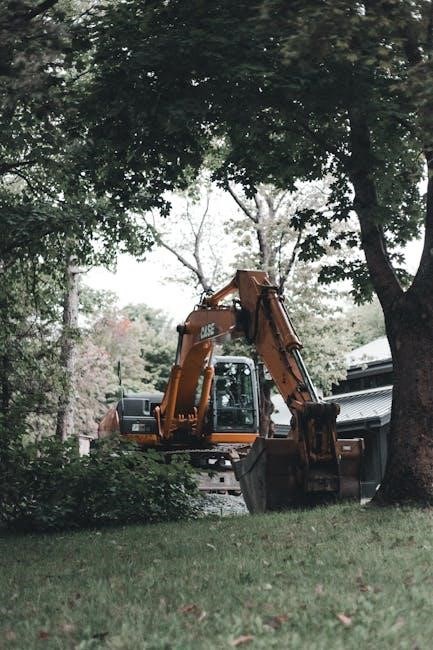
While seemingly distant from post hole digging, Time-of-Flight Mass Spectrometry (TOF-MS) offers a conceptual framework for understanding material interaction during auger operation. TOF-MS analyzes the mass-to-charge ratio of ions, revealing the elemental composition of a sample. In the context of soil analysis, TOF-MS could identify the specific compounds hindering auger penetration – organic matter, mineral composition, or contaminants.
Comparing TOF-MS to auger digging, the auger bit ‘ionizes’ the soil through mechanical force, creating fragments that resist or facilitate its progress. Analyzing these ‘fragments’ – analogous to the ions in TOF-MS – would pinpoint the soil’s resistance characteristics. Furthermore, understanding the differing ‘time-of-flight’ (resistance) of various soil components informs optimal auger speed and bit selection, maximizing efficiency and minimizing strain on the equipment, as discussed in online resources.
Gas Chromatography (GC) Column Specifications
Although not directly involved in auger operation, understanding Gas Chromatography (GC) column specifications provides a parallel for optimizing auger bit design and material selection. GC columns separate compounds based on their physical and chemical properties – polarity, boiling point, and molecular weight. Similarly, an auger bit’s geometry and material must be optimized for specific soil types.
Consider a GC column’s stationary phase; a polar phase retains polar compounds. Analogously, a bit coated with a low-friction material might ‘retain’ less sticky clay soils, improving penetration. Column length impacts separation; a longer column offers better resolution. Likewise, a longer auger flight could better evacuate soil, preventing clogging;
Specifications like inner diameter and film thickness, detailed in online resources, mirror considerations for bit diameter and blade thickness, influencing digging efficiency and power requirements.