
Cabinet Handle Guide: A Comprehensive Overview (12/22/2025 18:25:25)
This comprehensive guide offers invaluable advice on selecting cabinet knobs versus pulls, ensuring correct sizing, and strategically positioning cabinet hardware to beautifully complement your kitchen cabinets!
You’ll discover helpful visual examples showcasing cabinet hardware styles, colors, types, sizes, and placement options, transforming plain doors into personalized statements.
Installing cabinet hardware isn’t merely decorative; it’s a practical enhancement, and this guide ensures a satisfying and stylish result for your kitchen remodeling project.
Cabinet hardware – encompassing knobs, pulls, and handles – represents more than just functional components; they are the jewelry of your kitchen or bathroom, capable of dramatically altering the aesthetic of a space. Often underestimated, these small details possess the power to elevate a room from ordinary to extraordinary, injecting personality and style into otherwise plain cabinet doors.
Selecting the right hardware is a crucial step in any renovation or new construction project. It’s a decision that impacts both the visual appeal and the usability of your cabinets. A thoughtful choice can seamlessly integrate with your overall design scheme, while a mismatched selection can detract from even the most meticulously planned space.
This guide serves as a starting point for navigating the diverse world of cabinet hardware. We’ll explore the fundamental differences between knobs and pulls, delve into various types and materials, and provide practical advice on sizing, placement, and installation. Ultimately, our goal is to empower you to make informed decisions that reflect your personal taste and enhance the functionality of your home.
The Importance of Cabinet Hardware
Cabinet hardware transcends mere functionality; it’s a surprisingly impactful element in interior design. While often considered a minor detail, knobs and pulls are the quickest, most cost-effective way to transform the look and feel of your kitchen or bathroom. Plain cabinet doors act as a blank canvas, and hardware provides the finishing touch, adding personality and style.
Beyond aesthetics, cabinet hardware significantly contributes to usability. Well-chosen pulls offer a comfortable and secure grip, making opening and closing cabinets effortless. Properly installed hardware also enhances the overall quality and perceived value of your cabinets and your home.
Many homeowners underestimate the transformative power of this detail. Investing in quality hardware demonstrates attention to detail and elevates the entire space. It’s a small change that yields substantial returns, both visually and practically, making it a cornerstone of successful kitchen and bathroom remodels.
Knobs vs. Pulls: Understanding the Difference
Choosing between cabinet knobs and pulls is a fundamental design decision. Knobs, typically installed with a single screw, offer a classic, often more traditional aesthetic. They are best suited for upper cabinet doors, where leverage isn’t a primary concern, and provide a simple, streamlined look.
Pulls, on the other hand, require two screws and offer a more substantial grip. This makes them ideal for lower cabinets and drawers, where opening can require more force. Pulls also lend themselves to a wider range of styles, from modern and minimalist to ornate and detailed.
Consider the functionality of each cabinet when making your selection. For doors that are frequently accessed or contain heavier items, pulls are the more practical choice. Ultimately, the decision depends on your personal style and the overall design aesthetic you wish to achieve.
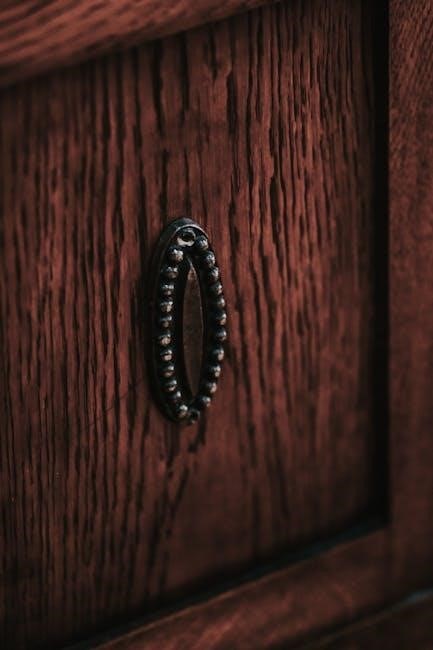
Cabinet Handle Types & Materials
Explore diverse cabinet handle types, including metal, wood, ceramic, and novelty options, each offering unique aesthetics and durability for your kitchen’s design.
Metal Cabinet Handles
Metal cabinet handles represent a cornerstone of kitchen design, offering a blend of durability, style, and versatility. These handles come in a wide array of finishes, catering to diverse aesthetic preferences. Stainless steel cabinet handles provide a modern, sleek look, resisting corrosion and blending seamlessly with contemporary kitchens.
Brass cabinet handles, on the other hand, exude a classic warmth and elegance, often favored in traditional or transitional spaces. Over time, brass develops a beautiful patina, adding character and charm. Chrome cabinet handles deliver a bright, polished appearance, ideal for creating a clean and airy feel.
Metal handles are generally easy to clean and maintain, making them a practical choice for busy kitchens. The robustness of metal ensures longevity, withstanding frequent use and maintaining their appeal for years to come. Consider the overall style of your kitchen when selecting a metal finish to achieve a cohesive and harmonious design.
Stainless Steel Cabinet Handles
Stainless steel cabinet handles are a popular choice for modern kitchens, prized for their sleek aesthetic and exceptional durability. Their resistance to corrosion, rust, and staining makes them incredibly practical, especially in high-humidity environments. Available in various brushed and polished finishes, stainless steel seamlessly integrates into contemporary and transitional designs.
Beyond aesthetics, stainless steel offers a hygienic surface, easy to clean and maintain with simple household products. The neutral tone complements a wide range of cabinet colors, from crisp whites and grays to rich woods and vibrant hues.
Consider the gauge of the stainless steel; thicker gauges indicate higher quality and greater longevity. Different styles, including bar pulls and knobs, allow for customization to match your kitchen’s overall design. Stainless steel handles represent a smart investment, combining style, functionality, and lasting value.
Brass Cabinet Handles
Brass cabinet handles exude timeless elegance and warmth, bringing a touch of classic sophistication to any kitchen. Available in a spectrum of finishes – polished, brushed, antique, and oil-rubbed bronze – brass offers versatility to complement diverse design styles, from traditional to transitional.
Solid brass is exceptionally durable and naturally antimicrobial, resisting corrosion and wear over time. While requiring occasional polishing to maintain its luster, the investment yields a beautiful, long-lasting finish. The rich, golden tones of brass pair beautifully with dark wood cabinets, creating a luxurious contrast.
Consider the undertones of your cabinetry when selecting a brass finish; warmer brasses complement warmer woods, while cooler tones suit painted cabinets. Brass handles are a statement piece, adding character and a touch of opulence to your kitchen space.
Chrome Cabinet Handles
Chrome cabinet handles offer a sleek, modern aesthetic, characterized by their bright, reflective surface and cool tones. Highly versatile, chrome complements contemporary and minimalist kitchen designs, creating a clean and polished look. Chrome’s durability and resistance to corrosion make it an excellent choice for high-humidity environments like kitchens.
Available in various finishes – polished chrome, brushed chrome, and satin chrome – chrome handles provide options for different levels of shine and texture. Polished chrome delivers a high-gloss, mirror-like finish, while brushed chrome offers a softer, more subtle sheen.
Chrome pairs exceptionally well with white, gray, and stainless steel appliances, creating a cohesive and streamlined appearance. Regular cleaning is required to maintain chrome’s shine and prevent water spots, but the result is a bright and contemporary kitchen.
Wood Cabinet Handles
Wood cabinet handles introduce warmth and natural texture to kitchen designs, offering a classic and inviting aesthetic. Available in a wide range of wood species – oak, maple, cherry, walnut – and finishes, wood handles can complement both traditional and contemporary cabinetry. The inherent grain patterns of wood create unique visual interest, adding character to your kitchen.
Wood handles are particularly well-suited for farmhouse, rustic, and transitional kitchen styles, enhancing the cozy and organic feel. They can be stained to match existing wood tones or painted for a pop of color.

While beautiful, wood handles require occasional maintenance, such as re-sealing or re-staining, to protect them from moisture and wear. Proper care ensures longevity and preserves the natural beauty of the wood.
Ceramic & Glass Cabinet Handles
Ceramic and glass cabinet handles offer a touch of elegance and sophistication to kitchen designs, introducing color, texture, and visual lightness. These handles are available in a vast array of colors, patterns, and styles, from simple, minimalist designs to ornate, hand-painted pieces.
Glass handles, often paired with metal accents, create a modern and airy feel, while ceramic handles can lean towards more traditional or eclectic aesthetics. They are particularly effective in kitchens seeking a unique and personalized touch.
However, it’s important to note that ceramic and glass are more fragile than metal or wood. Careful handling during installation and daily use is recommended to prevent breakage. They are best suited for cabinets that aren’t subject to heavy force or frequent slamming.
Novelty & Specialty Cabinet Handles
Novelty and specialty cabinet handles cater to those seeking a truly unique and personalized kitchen aesthetic. This category encompasses a wide range of designs, moving beyond traditional styles to incorporate whimsical shapes, themed elements, and artistic expressions.
You might find handles shaped like animals, flowers, or even miniature kitchen utensils, adding a playful touch to your space. Specialty handles can also include vintage or antique finds, repurposed materials, or custom-made pieces reflecting a specific hobby or interest.
While these handles make a bold statement, consider the overall kitchen design. They work best when complementing a specific theme or personality, rather than clashing with existing elements. Durability should also be considered, ensuring the chosen handles are suitable for daily use.

Sizing Cabinet Hardware
Proper sizing of knobs and pulls is crucial for both aesthetics and functionality, ensuring comfortable grip and a balanced look across all your kitchen cabinets!
Sizing Knobs for Cabinets
Determining the right size for cabinet knobs involves considering the scale of your cabinets and the overall aesthetic you wish to achieve. Generally, for upper cabinets, a knob diameter of 1 1/4 to 1 1/2 inches is a popular choice, providing sufficient grip without overwhelming the door.
Lower cabinets, often larger, can accommodate slightly larger knobs, typically ranging from 1 1/2 to 2 inches in diameter. However, avoid excessively large knobs that might feel cumbersome or disrupt the flow of the kitchen design.
Proportion is key; smaller kitchens benefit from smaller knobs, while larger kitchens can handle more substantial hardware. Consider the existing hole spacing if replacing old knobs, as matching the existing pattern simplifies installation and avoids unnecessary drilling. Always prioritize comfort and ease of use when selecting knob sizes.
Sizing Pulls for Cabinets
Sizing cabinet pulls requires balancing aesthetics with functionality. The length of the pull should generally be proportional to the width of the cabinet door or drawer front. A common guideline is to choose a pull length roughly equal to one-third to one-half the width of the door or drawer.
For example, on a 30-inch cabinet door, a pull between 10 and 15 inches long would be appropriate. Drawer pulls often benefit from being slightly shorter than door pulls, especially for shallower drawers.
Consider the projection – how far the pull extends from the cabinet. Too much projection can create a snag hazard, while too little might be difficult to grip. Standard projection ranges from 1 to 3 inches. Ensure consistent pull sizing throughout your kitchen for a cohesive look, and prioritize comfortable handholds for ease of use.
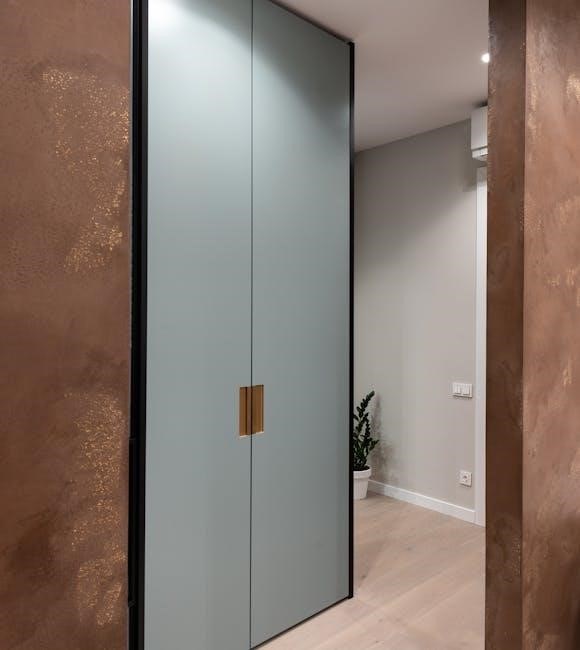
Considerations for Different Cabinet Sizes
Cabinet size significantly impacts hardware selection. Larger cabinets, such as pantry doors or those housing oversized appliances, demand proportionally larger pulls or knobs to maintain visual balance. Conversely, smaller cabinets, like spice racks or narrow drawers, require more delicate hardware.
For wider drawers, consider using longer pulls or even two pulls spaced evenly apart to provide ample gripping surface and prevent warping. With very small cabinets, a smaller knob or a minimalist pull is often the best choice to avoid overwhelming the space.
Consistency is key, but don’t be afraid to adjust sizing slightly based on the cabinet’s function and overall kitchen design. Prioritize both aesthetics and ergonomics, ensuring comfortable and practical hardware for all cabinet sizes.
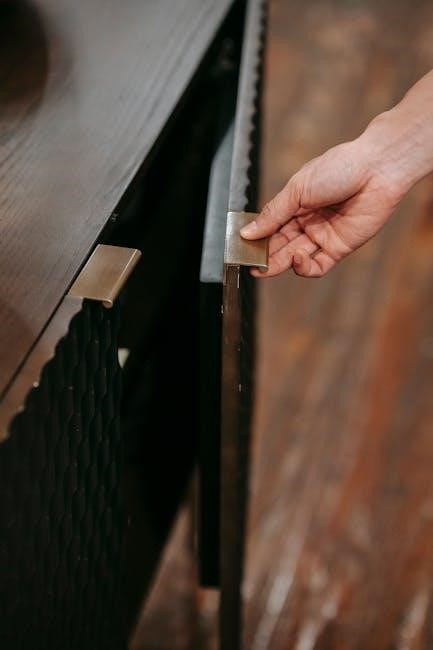
Cabinet Hardware Placement & Installation
Proper installation involves precise placement, correct spacing, and utilizing the right tools to ensure a professional finish and functional hardware for your kitchen cabinets!
Placement of Knobs on Cabinet Doors
When installing knobs on upper cabinet doors, the standard practice is to position them in the bottom corner, diagonally opposite the hinges, maintaining a distance of approximately 2 to 3 inches from the edges of the door.
For lower cabinet doors, the placement mirrors this approach, but the knob is installed in the top corner, again opposite the hinges and 2-3 inches from the edges.
This symmetrical arrangement provides both aesthetic balance and comfortable access. Consistent placement across all upper cabinets and then across all lower cabinets creates a unified look.
Remember to measure carefully before drilling to avoid misalignment. Using a template or jig can significantly aid in achieving accurate and consistent knob placement throughout your kitchen. Consider the door’s style; simpler doors benefit from centered knobs, while more ornate doors may look better with slightly offset placement.
Placement of Pulls on Cabinet Doors
Positioning pulls on cabinet doors requires a slightly different approach than knobs, primarily due to their elongated shape. For both upper and lower cabinets, center the pull horizontally on the door, ensuring equal spacing from the sides.
Vertically, place the pull centered on the door’s height. A common guideline is to position the pull approximately 2.5 to 3 inches from the top edge of the door for upper cabinets and the same distance from the bottom edge for lower cabinets.
However, adjust this based on door height and personal preference. Larger doors may benefit from pulls placed slightly further from the edges.
Consistent vertical placement across all cabinets is crucial for a cohesive look. Utilize a template to mark screw holes accurately, preventing errors during installation. Consider the pull’s length; longer pulls may require slightly more space from the door edges.
Standard Spacing Guidelines
Maintaining consistent spacing between cabinet hardware is vital for a polished and professional look. For base cabinets, a standard spacing of 12-16 inches between pulls is generally recommended, adjusting based on cabinet width.
Upper cabinets typically utilize spacing between 10-14 inches, accommodating their often-smaller size. When dealing with narrow cabinets (less than 18 inches wide), a single pull or knob is often sufficient.
For drawers, align the spacing with the cabinet pulls below, creating visual harmony. Use a measuring tape and a level to ensure accurate and uniform placement across all doors and drawers.
Consider the overall kitchen layout; larger kitchens can accommodate slightly wider spacing. Always pre-drill pilot holes to prevent wood splitting and ensure secure hardware installation. Consistent spacing elevates the aesthetic and functionality of your kitchen.
Tools Required for Installation
Successful cabinet hardware installation demands having the right tools readily available. A power drill with various drill bit sizes is essential for creating pilot holes and securing screws. A manual screwdriver set provides precision for final tightening.
A measuring tape and level are crucial for accurate placement and ensuring hardware is aligned correctly. A pencil helps mark drill locations, while a stud finder can locate wall studs for added support if needed.
Safety glasses protect your eyes from debris, and a dust mask minimizes inhalation of wood particles. Consider a cabinet hardware jig for consistent hole spacing, especially for multiple pulls or knobs.
Finally, a wood filler and sandpaper are useful for patching any accidental imperfections. Having these tools prepared streamlines the installation process and ensures a professional finish.

Cabinet Hardware Styles
Explore diverse cabinet hardware styles, including traditional, modern, rustic, and transitional designs, to perfectly complement your kitchen’s aesthetic and personal preferences!
Traditional Cabinet Hardware Styles
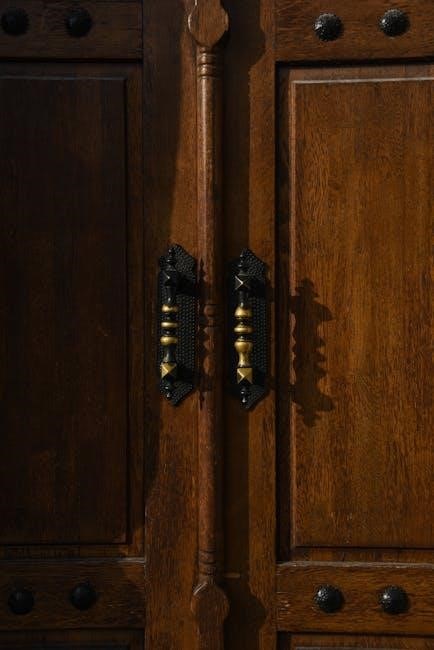
Traditional cabinet hardware evokes a sense of timeless elegance and classic design, often featuring ornate details and warm finishes. Think gracefully curved pulls, classic porcelain knobs, and rich, aged brass or oil-rubbed bronze accents.
These styles frequently incorporate intricate patterns, such as scrolls, fleur-de-lis, or Victorian-inspired motifs, adding a touch of sophistication to any kitchen. Materials commonly used include solid brass, antique copper, and cast iron, lending a substantial and luxurious feel.
Traditional hardware pairs beautifully with raised-panel cabinets, detailed molding, and warm color palettes. It’s ideal for creating a cozy, inviting atmosphere reminiscent of classic country homes or stately estates. Consider bin pulls for drawers and knobs with decorative backplates for doors to complete the look.
Ultimately, traditional styles offer a lasting appeal, blending seamlessly with both formal and relaxed kitchen designs.
Modern & Contemporary Cabinet Hardware Styles
Modern and contemporary cabinet hardware prioritizes clean lines, minimalist forms, and a sleek aesthetic. Expect to find long, streamlined pulls, geometric knobs, and a focus on functionality over excessive ornamentation. Brushed nickel, matte black, and polished chrome are popular finish choices, offering a sophisticated and understated look.
These styles often feature simple, unadorned designs, emphasizing the beauty of the material itself. Bar pulls with a rectangular profile are a staple, as are knobs with a circular or square shape. Integrated handles, which are built directly into the cabinet door, are also a common feature.
Modern hardware complements flat-panel cabinets, minimalist countertops, and cool color schemes. It’s perfect for creating a chic, urban kitchen with a focus on simplicity and sophistication.
Ultimately, these styles offer a fresh and forward-thinking approach to kitchen design.
Rustic & Farmhouse Cabinet Hardware Styles
Rustic and farmhouse cabinet hardware evokes warmth, charm, and a connection to traditional craftsmanship. Styles often feature distressed finishes, aged metals, and natural materials like wrought iron or oil-rubbed bronze. Expect to see bin pulls, cup pulls, and knobs with a vintage-inspired aesthetic.
These designs frequently incorporate details like hammered textures, decorative scrolls, and antique-looking backplates. Black is a dominant color, but warmer tones like copper and brass are also popular choices, adding a touch of cozy elegance;
Rustic hardware pairs beautifully with shaker-style cabinets, butcher block countertops, and warm, inviting color palettes. It’s ideal for creating a kitchen that feels both comfortable and stylish.
Ultimately, these styles bring a sense of history and character to any space.
Transitional Cabinet Hardware Styles
Transitional cabinet hardware bridges the gap between traditional and modern design, offering a versatile aesthetic that complements a wide range of kitchen styles. These pieces typically feature clean lines and simple silhouettes, but with subtle details that add warmth and character.
Expect to find pulls and knobs in finishes like brushed nickel, polished chrome, or muted brass tones. Designs often incorporate gentle curves or understated geometric patterns, avoiding overly ornate or minimalist extremes.
Transitional hardware works exceptionally well with shaker cabinets and neutral color schemes, creating a balanced and sophisticated look. It’s a fantastic choice for homeowners seeking a timeless and adaptable design.
The goal is to create a space that feels both current and classic, blending the best of both worlds.
Choosing the Right Finish
Selecting the ideal finish harmonizes with cabinet colors, enhancing your kitchen’s aesthetic; popular options include brushed nickel, oil-rubbed bronze, and polished chrome for lasting beauty.
Matching Finishes to Cabinet Colors
Harmonizing cabinet hardware finishes with your cabinet colors is crucial for a cohesive kitchen design. For white cabinets, brushed nickel, polished chrome, or matte black offer a clean, modern contrast. Warm white cabinets pair beautifully with brass or oil-rubbed bronze, adding a touch of warmth and sophistication.
Gray cabinets are incredibly versatile; consider stainless steel for a contemporary look, or black for a bolder statement. Dark wood cabinets benefit from the richness of brass or the subtle elegance of pewter. When working with painted cabinets in vibrant colors, choose hardware that either complements or intentionally contrasts the hue – for example, gold hardware against navy blue cabinets.
Don’t be afraid to mix metals, but maintain a dominant finish to avoid a chaotic appearance. Consider the overall style of your kitchen; traditional kitchens often favor warmer tones like brass, while modern kitchens lean towards cooler tones like chrome or stainless steel. Ultimately, the goal is to create a visually pleasing and balanced aesthetic.
Popular Cabinet Hardware Finishes
Several cabinet hardware finishes consistently rank as homeowner favorites. Brushed Nickel remains a timeless choice, offering a soft, warm tone that complements various cabinet colors and styles. Polished Chrome provides a sleek, reflective surface ideal for modern kitchens, creating a bright and airy feel.
Matte Black is increasingly popular, delivering a bold, contemporary look that works exceptionally well with white or light-colored cabinets. Brass finishes, ranging from antique to polished, add warmth and a touch of luxury, particularly suited for traditional or transitional designs.
Oil-Rubbed Bronze offers a rustic, aged aesthetic, perfect for farmhouse or country-style kitchens. Stainless Steel is a durable and practical option, often chosen for its resistance to fingerprints and corrosion. Ultimately, the best finish depends on your personal preference and the overall design aesthetic you wish to achieve.
Maintaining Your Cabinet Hardware Finish
Preserving the beauty of your cabinet hardware requires regular, gentle care. Avoid abrasive cleaners, as they can scratch or dull the finish. Instead, opt for a mild soap and water solution, applied with a soft cloth. For stubborn grime, a specialized metal cleaner appropriate for your finish is recommended.
After cleaning, thoroughly dry the hardware to prevent water spots. Periodically apply a protective wax or polish, especially to brass or bronze finishes, to maintain their luster and prevent tarnishing. Regularly inspect screws and tighten them as needed to ensure secure attachment.
Protecting your hardware from harsh chemicals and excessive moisture will significantly extend its lifespan and maintain its aesthetic appeal, ensuring your kitchen remains stylish for years to come. Consistent, simple maintenance is key!